
The DNA of Viral Success
In the saturated digital landscape of 2026, creating content from scratch is often a gamble. But what if you could peek behind the curtain of a viral LinkedIn post, a high-ranking blog, or a trending YouTube script and see the exact instructions that guided the AI to create it? This is the power of Reverse Prompt Engineering. It is the process of taking a finished piece of content and deconstructing it to identify the structural DNA—the hooks, the emotional triggers, the pacing, and the specific personas—that made it successful. By mastering this, you aren’t just a writer; you are a Content Architect who can replicate success at will.
How Reverse Prompting Works: The Deconstruction Phase
Reverse Prompt Engineering isn’t about copying words; it’s about extracting logic. In 2026, advanced models like GPT-5 and Claude 4 have become incredibly adept at “self-reflection.” You can now feed a piece of top-performing content into an AI and ask it to perform a structural audit.
-
The “Identify the Hook” Step: Ask the AI to identify the psychological trigger used in the first 10% of the content. Is it a “Bold Claim,” a “Fear of Missing Out (FOMO),” or a “Curiosity Gap”?
-
The “Persona Extraction” Step: Have the AI analyze the tone and vocabulary to describe the exact persona of the author. Is it a “Witty Skeptic,” a “Wise Mentor,” or a “Ruthless Data Analyst”?
-
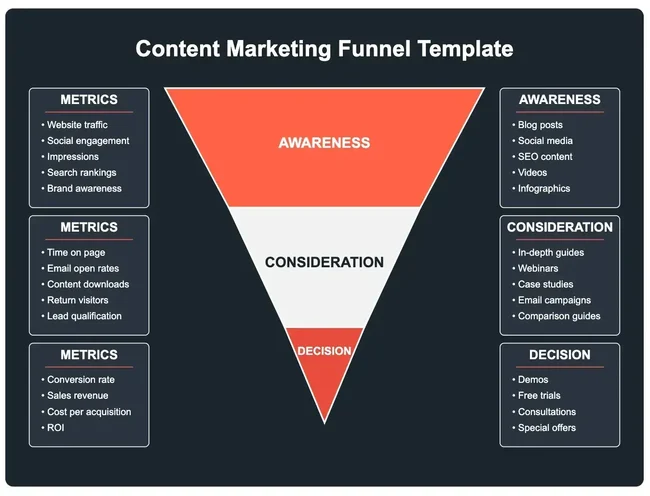
The “Structural Mapping” Step: Break the content down into a reusable template. For example:
[Hook: The Myth] -> [The Twist: Data-Driven Reality] -> [The Framework: 3 Steps] -> [Call to Action: Immediate Value].
The Ethical Edge: Inspiration vs. Plagiarism
It is vital to distinguish Reverse Prompting from simple plagiarism. Plagiarism is stealing the output; Reverse Prompting is learning the recipe. In the 2026 economy, AI-generated content that looks like a direct copy is quickly flagged and de-ranked by search engines.
The goal of Reverse Prompt Engineering is to create a “Prompt Template” that you then fill with your own unique data, personal stories, and brand perspective. You are using the proven structure of a viral post but the original substance of your own expertise. This ensures your content feels familiar enough to be engaging, but fresh enough to be valuable.
Practical Use Case: Dominating the “AI Overviews”
Google’s AI Overviews (formerly SGE) now prioritize content that follows specific logical patterns—those that explain, compare, and contextualize. By reverse-engineering the pages that Google currently cites at the top of search results, you can identify the Semantic Patterns that the AI favors.
For instance, if you notice that all top-ranking articles on “AI Monetization” start with a specific type of case study and end with a “Resource Checklist,” you can update your Content Factory (from post 3-2) to follow that exact blueprint. This significantly increases your chances of being the “Primary Source” that AI models recommend to users.

Conclusion: The Secret to Infinite Content ROI
Reverse Prompt Engineering is the ultimate shortcut in the age of automation. It allows you to skip the months of trial and error and go straight to what works. As you build your 100-billion-won digital empire, your ability to decode and adapt the world’s most successful communication patterns will be your greatest asset. Don’t just consume content—dissect it. Turn every viral post you see into a tool for your own growth. The blueprints for success are hidden in plain sight; you just need the right prompt to see them.
And as you refine this skill, you’ll begin to notice patterns faster, execute ideas with greater precision, and consistently stay ahead of trends instead of chasing them. In a world where attention is currency, mastering this approach doesn’t just give you an edge—it positions you as the one setting the standard others will follow.
If you enjoyed this post, you might also like: [Chain-of-Thought (CoT) Prompting: Solving Complex Business Logic with AI — Scheduled]
Related Posts
Chain-of-Thought Prompting: Solving Complex Business Logic with AI 2026
Mastering Chain-of-Thought Prompting is the most effective way to solve…
The “Context Injection” Framework: How to Get 10x Better Results from Any LLM
The Secret of Master Prompters Most people get average…
The Persona Protocol: How to Turn Any AI into a World-Class Expert (Full Guide)
The Problem: Why Your AI Output Feels Generic We live…